
Industries · Universities
Air Compressors for Universities
Air compressors for universities have to serve work that looks similar on an estate plan but behaves very differently in use. A research instrument can be sensitive to trace contamination. An engineering workshop may draw short, heavy bursts of air. Estates teams need plant air that remains available when teaching, maintenance and research schedules overlap. An air compressor that is right for a high-volume workshop can be the wrong choice for a low-flow analytical instrument.
The correct answer is not one large compressor feeding every building. It is a system specification built from the point of use backwards: the required air quality, flow, pressure, operating hours and consequences of an interruption. Design Air, Atlas Copco Premier Distributor in Scotland, designs, installs and maintains industrial compressed-air systems from its Airdrie base.
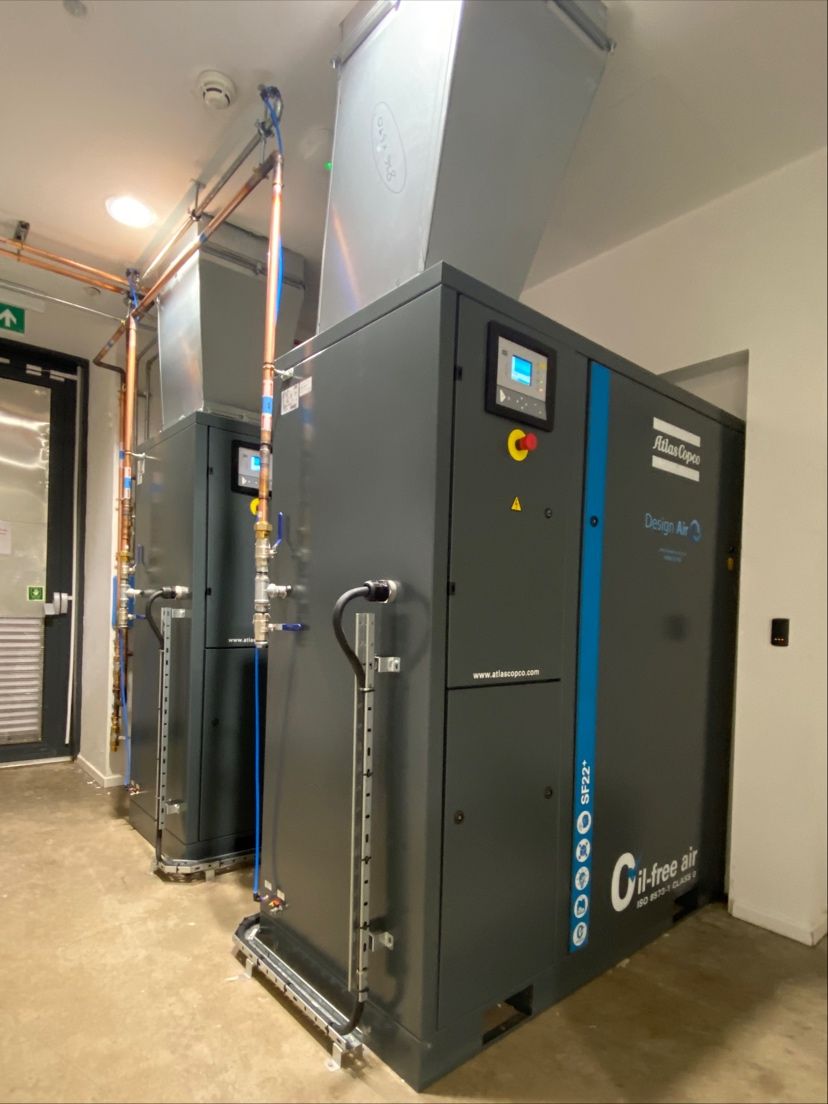
A Zoned Approach to Campus Compressed Air
A campus air system should be treated as several demand zones, not as one average load. Group applications with similar pressure and air-quality requirements, then isolate them with appropriate pipework, valves and storage. That prevents a high-volume workshop demand from pulling pressure down at a low-flow research point of use. A central air compressor should not be expected to solve every local application without that review.
Research and teaching areas need a separate review. A laboratory, dental teaching room, engineering workshop and estates depot may all use compressed air, but they do not necessarily need the same compressor, dryer or filtration train. The specification should record the application, the required condition of the air at that point, the duty cycle and the acceptable downtime before equipment is selected.
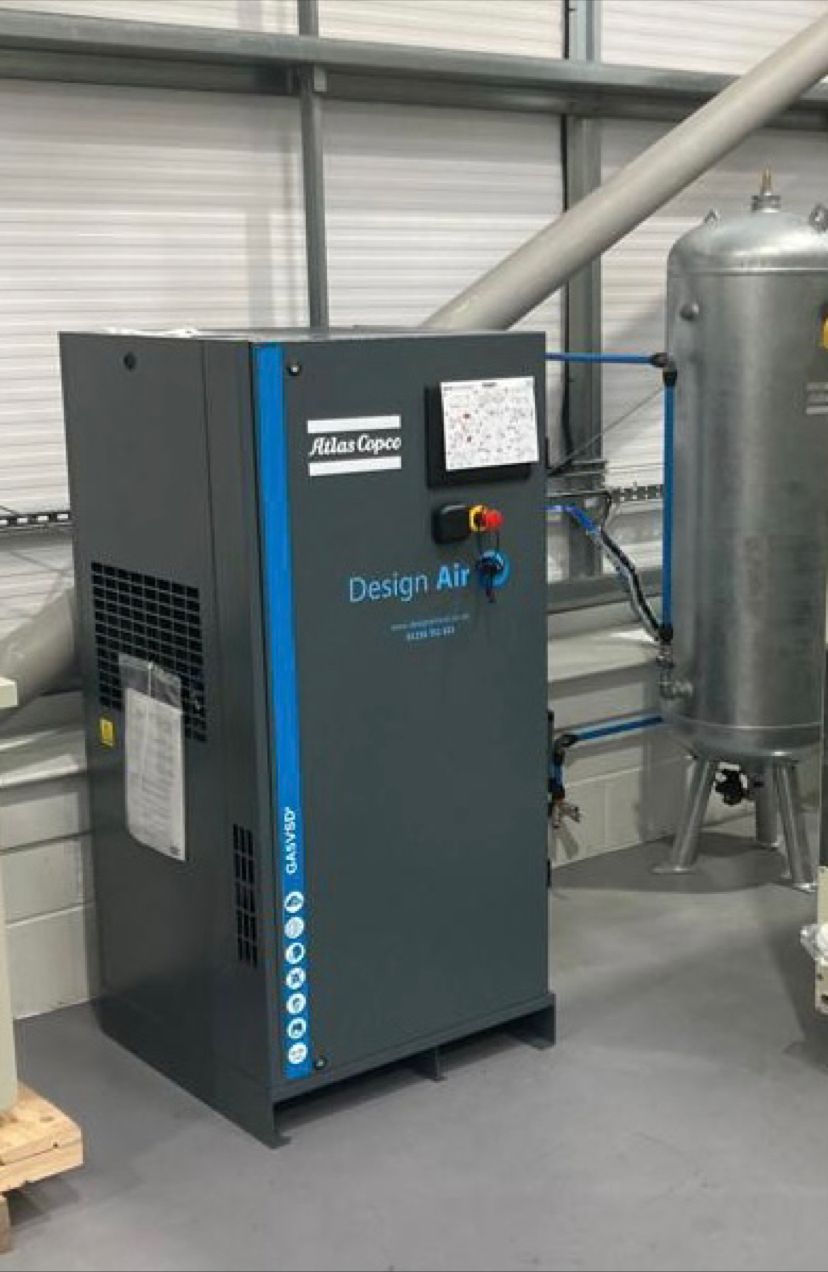
What the Zoning Map Tells You
This zoned approach gives facilities and procurement teams a practical decision map. It identifies where central generation makes sense, where a local unit reduces distribution losses, and where a critical application needs isolation, standby capacity or a defined response plan.

Specifying Air Quality for Sensitive Work
Air quality is a process requirement, not a compressor label. ISO 8573-1 classifies compressed air by particles, water and total oil, but it does not prescribe one class for every activity. The process owner must define the risk, then select the compressor and treatment equipment that can achieve and verify that requirement. See the ISO 8573-1 guide (atlascopco.com) for the classification framework.
Start With the Process Risk
For a research lab, the first question is whether compressed air contacts a sample, an instrument, a clean process or only a pneumatic actuator. The answer changes the specification. An application that can tolerate normal plant air does not need the same controls as a process where oil vapour, moisture or particles could affect a result. Instrument manufacturers’ air requirements and the university’s own risk assessment should set the target. For each air compressor, the accepted contaminant risk should be recorded before procurement starts.
Choose Oil-Free Air and Treatment to the Required Class
Oil-free technology, filtration and drying solve different parts of the problem. An oil-free air compressor removes the risk of compression-stage oil entering the air stream. Filters control particles and residual aerosols, while a dryer controls water vapour and the risk of condensate forming downstream. The choice between oil-injected and oil-free equipment should follow the application risk, not a generic claim about which is better. Our guide to oil vs oil-free air compressors explains that decision in more detail.
Selecting Air Compressors for Universities
Selection starts with measured demand, not a nameplate power rating. A site survey should establish required free air delivery, pressure at each use point, peak loads, minimum loads, operating hours and planned changes to teaching or research equipment. It should then account for pressure drop through pipework and treatment equipment. The difference between CFM and PSI in air compressors matters here: flow determines whether a tool or process has enough air, while pressure is the force available to do the work. No air compressor should be selected until the survey has tested that profile against the proposed duty.
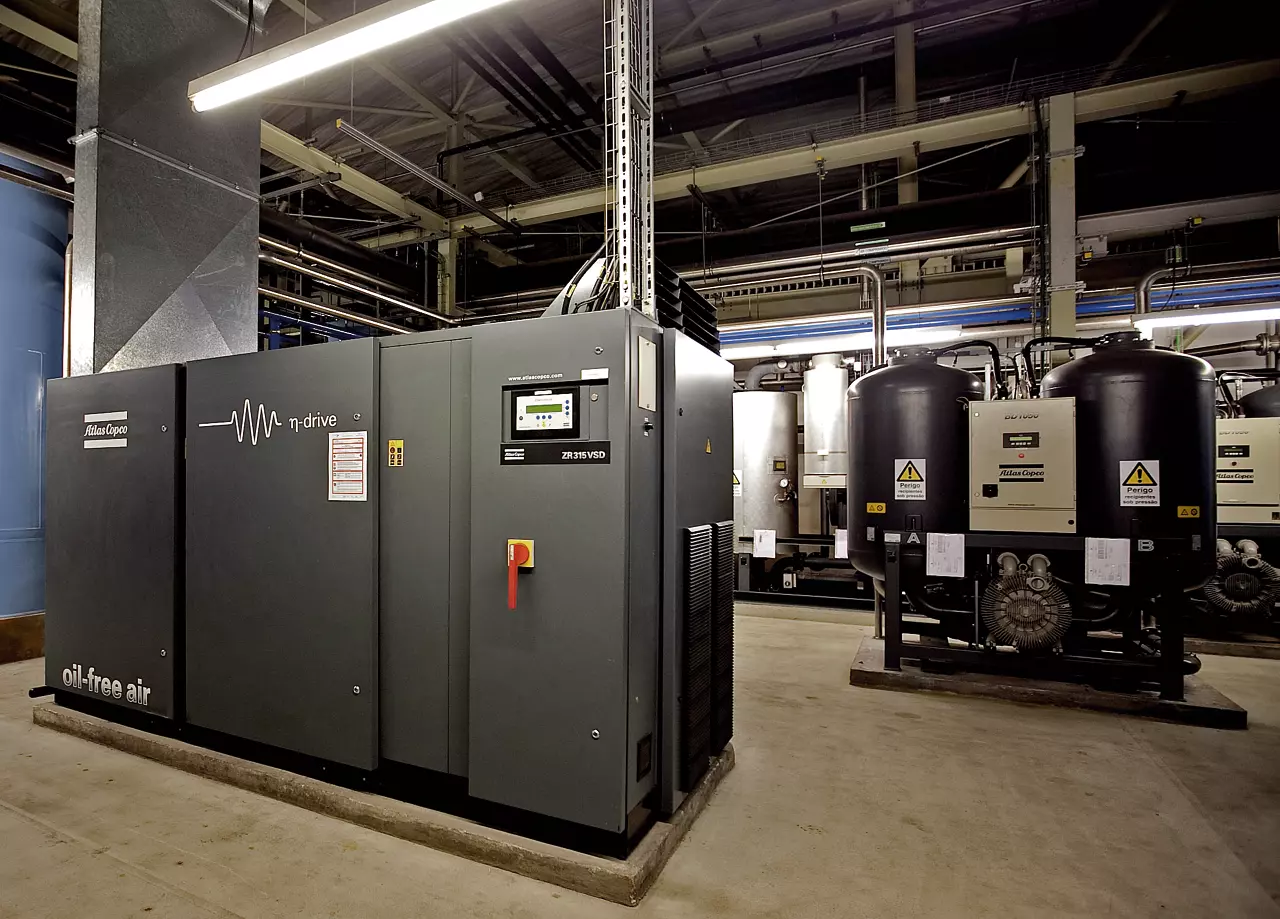
Match Capacity to the Demand Profile
Rotary screw air compressors suit sustained industrial demand. A piston compressor can be appropriate for an intermittent, lower-duty application. Scroll or other oil-free products may suit a local sensitive point of use. Large, continuous demand can call for a different architecture again. An air receiver provides stored volume to absorb short peaks, but it does not create compressor capacity. If the demand profile is wrong, increasing the receiver size only delays the pressure problem. The different types of air compressors should be compared against the same application data rather than ranked in isolation.
Fixed-Speed or Variable-Speed Rotary Screw
A fixed-speed compressor is often a sound choice where demand is stable for long periods. A variable-speed unit is more appropriate where the load moves across the day, such as a workshop that is busy during teaching hours and quiet outside them. Its benefit comes from matching output more closely to demand and reducing unloaded running, not from a universal savings percentage. The expected result should be calculated from measured flow, pressure and run-hours data before a capital decision is made. Where several compressors operate together, sequencing controls can keep one machine on the base load and use another to follow peaks.
Compressor Installation and System Design
Compressor installation is the point at which a good equipment choice can be undermined or protected. Design the distribution network around the zones, keep pressure drop under review, allow isolation for maintenance, and leave a documented route for future connections. Intake air quality, compressor-room ventilation, condensate management and the location of dryers and filters all affect delivered air. Our engineers can assess these conditions before specifying the system.
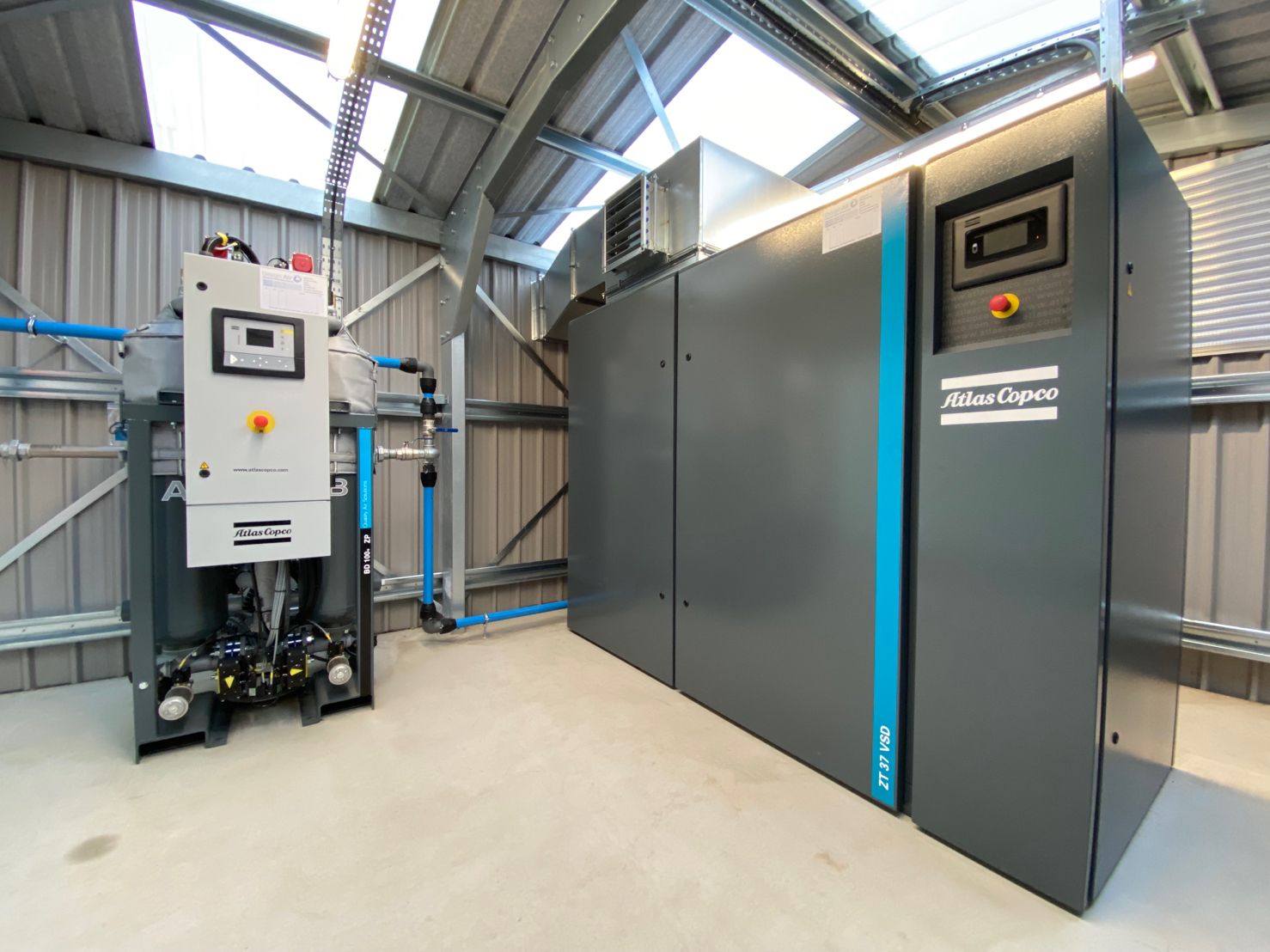
Site survey
Survey the campus zone by zone before anything is specified
Design Air can establish the required free air delivery, pressure at each use point, peak and minimum loads, operating hours and planned changes to teaching or research equipment, then account for pressure drop through pipework and treatment equipment.
Energy
Efficiency, Reliability and Budget Control
Compressed air is an electricity load that should be measured like any other estate utility. A system running at a higher pressure than the process needs consumes more power and can create artificial demand at points of use. Leaks add a background load that continues when laboratories and workshops are unoccupied. The most useful starting point is a measured baseline, not an assumed saving.
Measure Before Changing Settings
A Compressed Air Energy Audit provides the baseline for Design Air’s Energy package, which covers measured energy auditing, ultrasonic leak detection and pressure optimisation. The survey should distinguish a supply-side constraint from a demand-side problem, then rank actions by their operating effect. That approach gives a university a defensible case for repairing leaks, changing controls or replacing equipment. The Scottish Funding Council’s Net Zero and Sustainability Framework (sfc.ac.uk) places sustainability and green estates within the wider agenda for Scotland’s colleges and universities, so a clear evidence trail matters as much as the equipment choice.
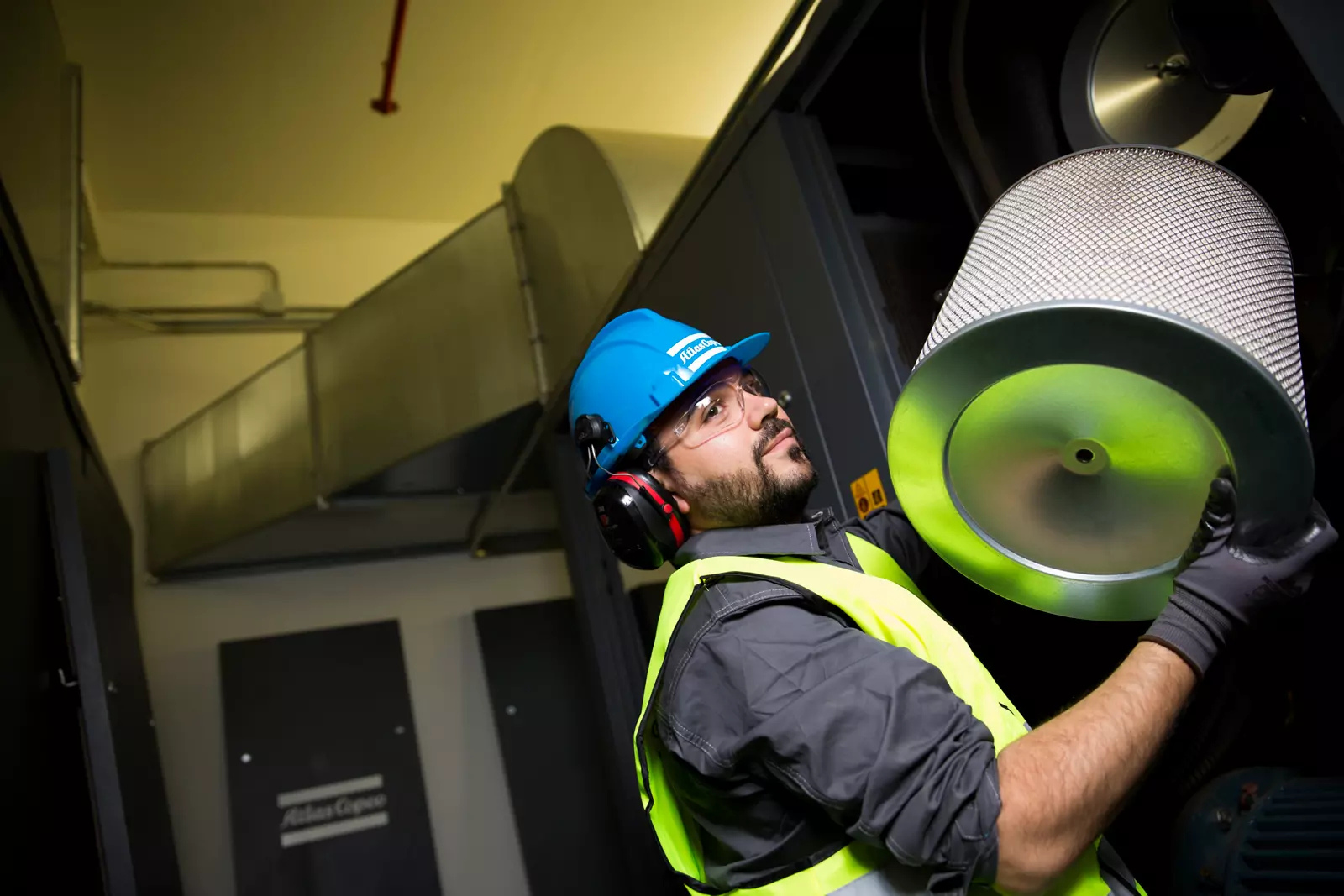
Energy
Start from a measured baseline, not an assumed saving
Design Air’s Energy package covers measured energy auditing, ultrasonic leak detection and pressure optimisation, separating a supply-side constraint from a demand-side problem and ranking actions by their operating effect.
Compliance
PSSR, Examination and Compressor Servicing
A compressed-air receiver and associated pipework can fall within the Pressure Systems Safety Regulations 2000. HSE guidance defines compressed or liquefied gas, including air above 0.5 bar over atmospheric pressure, as a relevant fluid. Whether a particular system needs a Written Scheme of Examination depends on the system and the risk of a defect giving rise to danger. The PSSR guidance (hse.gov.uk) should be used to establish the dutyholder’s position before equipment is operated or altered.
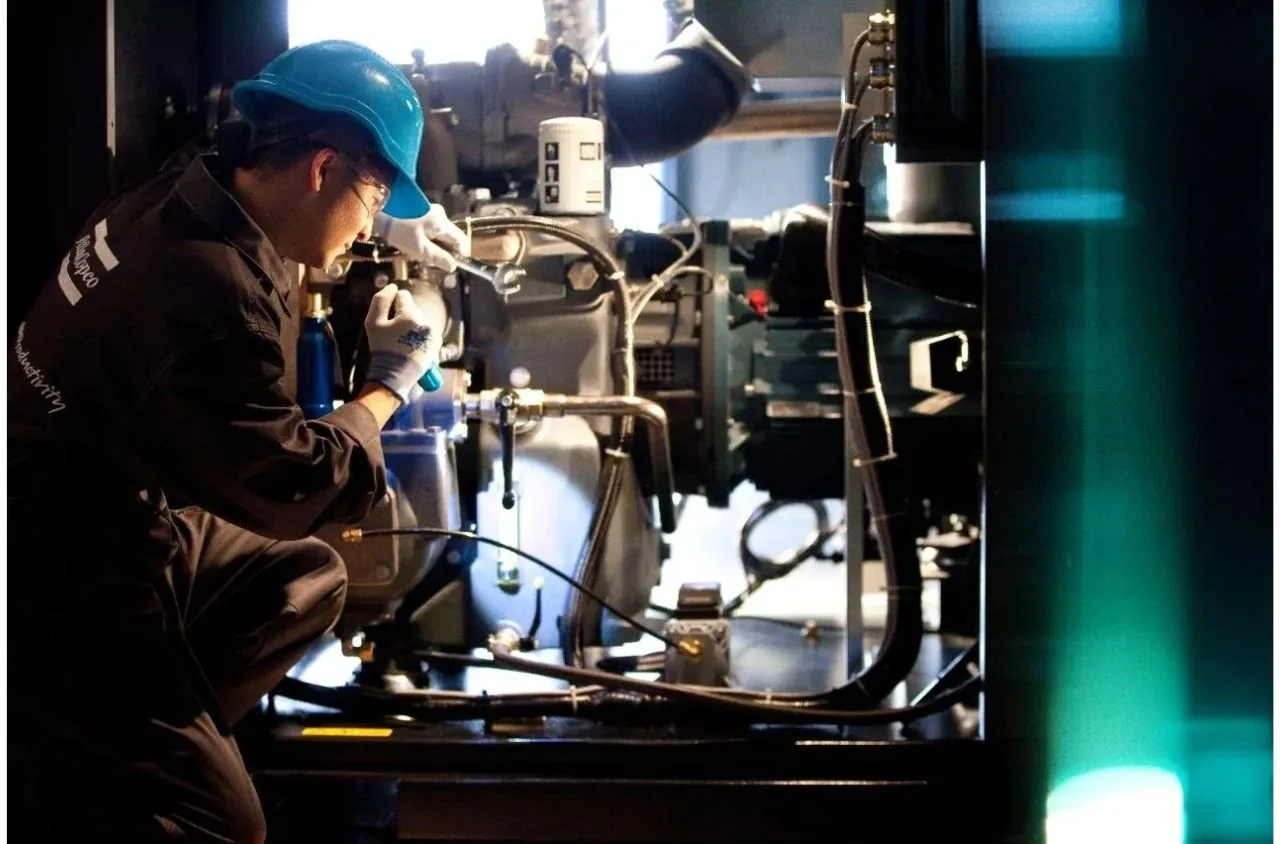
Keep the Technical Record Current
Safe operating limits, examinations, reports, modifications and maintenance records need to remain aligned with the actual system. Design Air’s Compliance package covers Written Scheme of Examination consultation and statutory examinations under PSSR 2000. A planned service agreement can then keep compressor servicing, filters, drains and operating checks aligned with the equipment’s condition and run-hours.
FAQs
Frequently Asked Questions
What are the four main types of air compressors?
What is the most reliable type of air compressor?
What is the best air compressor in the UK?
What are the top five air compressors?
For a campus system assessment, a planned service agreement or a PSSR consultation, contact Design Air.