



Air Compressors for the Chemical Industry
Compressed air is not just another utility in Scotland’s chemical and pharmaceutical industries – it is a critical part of the production process. The quality of compressed air can significantly impact the purity of your products, the safety of your processes, and the profitability of your operations, just as much as your other utilities – water, gas, and electricity.
For plant managers and engineers in this industry, specifying a compressed air system is a risk management decision first, and equipment selection is second. Read on to find out how to specify a compressed air system to ensure purity, minimise downtime, and make compliance easy.
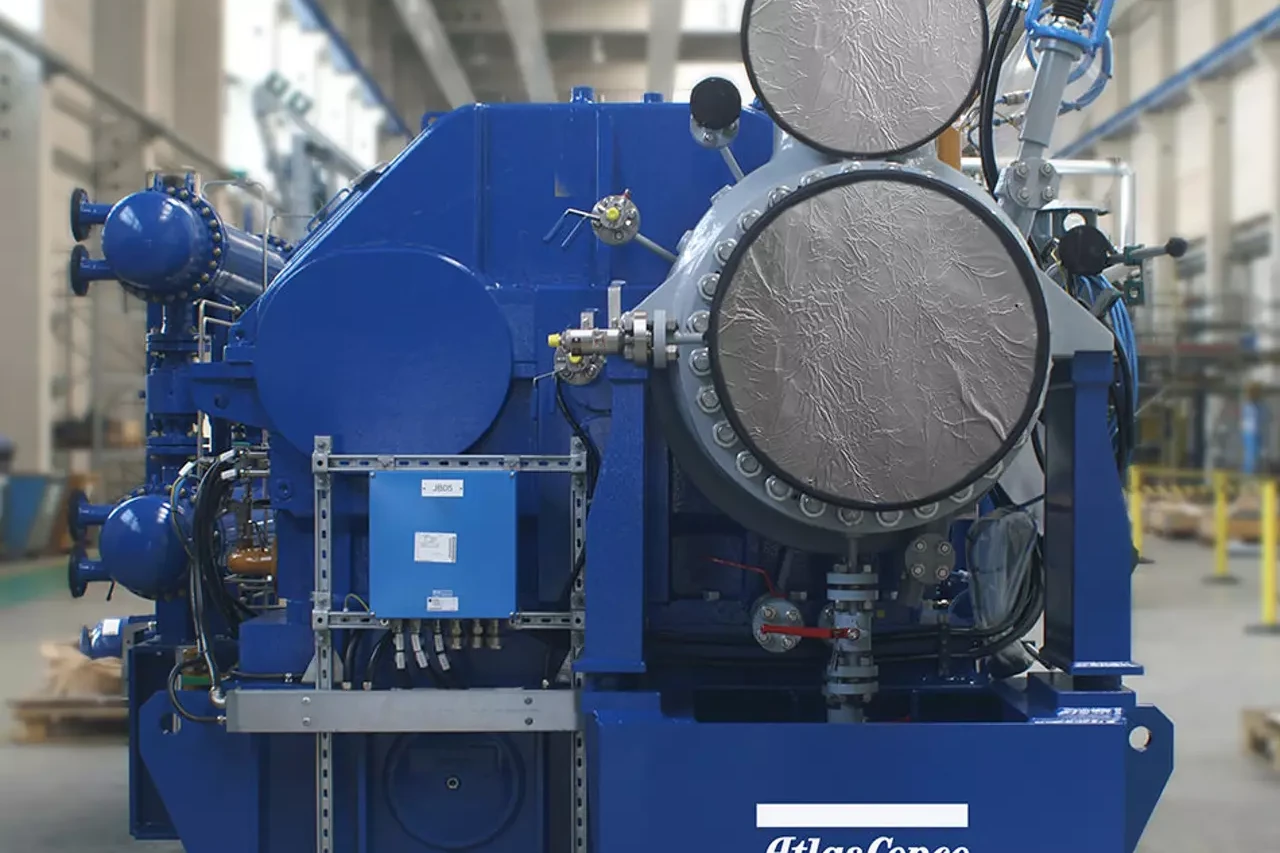
Compressed Air: The Fourth Utility in Chemical Manufacturing
Chemical and pharmaceutical processes utilise compressed air throughout their operations. The specifications can vary significantly from one application to the next.
Key applications include:
- Process Air: Used for direct product contact in aeration, agitation, product drying, coating, etc., where ultimate purity is required to assure batch integrity and prevent expensive contamination.
- Control Air: Used as motive power for pneumatic control valves, actuators, and safety interlock systems, where dryness and reliability are critical for process control.
- Material Handling: Used to provide motive power for pneumatic conveying of powders and granules and to drive air-operated diaphragm pumps for handling corrosive or viscous fluids.
- Nitrogen Feedstock: Used as a source gas in on-site nitrogen generator systems for chemical plants, compressed air is utilised for inerting, blanketing, and purging to prevent oxidation or combustion.
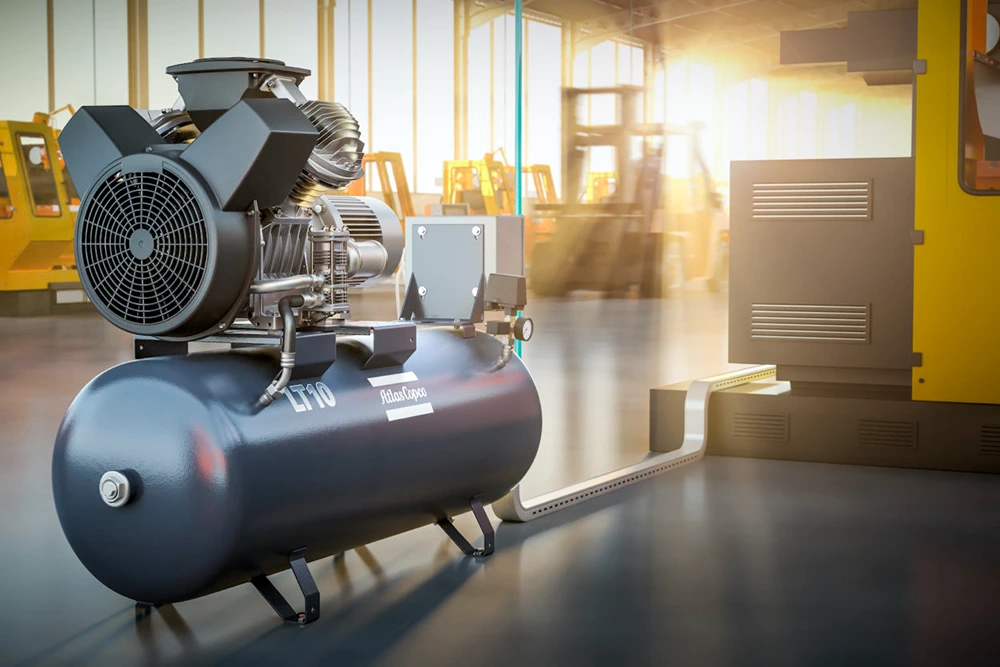
Why 100% Oil-Free Air Is Critical to Product Safety
Contaminants in a compressed air stream, such as solid particles, water, or oi, —present a significant financial and operational risk. A single contamination event can lead to product spoilage, process failure, and regulatory non-compliance.
The global benchmark for air purity is ISO 8573-1. This standard classifies contaminants based on a three-part code:
- Solid Particles
- Water (Dew Point)
- Total Oil (Liquid, Aerosol, Vapour)
If your application requires direct or indirect contact with a product, then only Class 0 is acceptable. Class 0 provides 100% oil-free air, ensuring absolutely no chance of oil-based contamination. An ISO8573 Air Quality Test is the only way to ensure your system is Class 0 pure.

The Critical Choice: 100% Oil-Free vs. "Technically Oil-Free" Systems
The most crucial decision in system design is the choice between a 100% oil-free compressor and an oil-injected compressor using downstream filtration to produce “technically oil-free” air. While the latter may have a lower initial cost, it introduces unacceptable risks and higher long-term operational expenses.
Only certified Oil-Free Air Compressors, such as Atlas Copco’s ZR/ZT rotary screw models, can guarantee Class 0 air quality. Relying on filtration creates inherent vulnerabilities:
- Vapour Carryover: Standard filters can’t remove oil in its vapour form, which can travel downstream and condense, contaminating critical points of use.
- Catastrophic Filter Failure: A single seal or element failure will release oil directly into the production environment.
- Silent Failure: Activated carbon filters provide no warning before they become saturated, allowing contaminants to pass through undetected.
A Total Cost of Ownership (TCO) analysis shows that 100% oil-free systems are the superior financial choice.
| System Type | Air Quality | Contamination Risk | Ongoing Costs |
|---|---|---|---|
| 100% Oil-Free | ISO 8573-1 Class 0 | None | Low (no filter swaps, low OPEX) |
| “Technically Oil-Free” | ISO Class 1 (at best) | High (filter failure, vapour carryover) | High (filters, energy, disposal) |
How to Stay Compliant with ATEX and PSSR
Operating safely and legally in the chemical industry requires strict adherence to UK regulations.
- ATEX/DSEAR: Equipment in zoned hazardous areas must be ATEX-certified under the Dangerous Substances and Explosive Atmospheres Regulations (DSEAR) to ensure it cannot be an ignition source. Certified Atlas Copco Compressors are available.
- PSSR: The Pressure Systems Safety Regulations 2000 (PSSR) impose a legal duty on system owners to ensure safety. Design Air (Scotland) Ltd provides comprehensive PSSR compliance management, including drafting the Written Scheme of Examination, designating a ‘Competent Person’ for statutory inspections, and maintaining all required documentation.
From Cost Centre to Asset: Efficiency and Predictive Maintenance
Modern compressed air systems can transition from being a significant energy consumer to a highly optimised asset.
- Energy Efficiency: Atlas Copco’s VSD+ (Variable Speed Drive) compressors reduce energy consumption by up to 35% by matching output to demand more precisely. A Compressed Air Energy Audit will identify these and other steps to make significant cuts in operating costs and help you reach ISO 50001 energy management objectives.
- Predictive Maintenance: Remote monitoring tools, such as SMARTLINK™, utilise real-time data to transform maintenance from a reactive to a predictive discipline. The system tracks key parameters and sounds the alarm well in advance of problems.
SMARTLINK monitors:
- Compressor load hours
- Discharge pressure
- Dew point
- Bearing vibration
- Power consumption


Your Local Partner for Lifecycle Support in Scotland
Based in Airdrie, Design Air (Scotland) Ltd is the authorised Atlas Copco partner for Scotland, providing expert support across Glasgow, Edinburgh, Dundee, Fife, Stirling, and Perth. We serve as a strategic partner, providing comprehensive lifecycle support for mission-critical compressed air systems.
Our services are designed to manage risk and ensure reliability:
- Expert Custom Pipework & Installation for chemical and ATEX-rated environments.
- ISO 8573-1 air quality testing and certification.
- Ultrasonic leak detection and energy audits.
- Comprehensive condensate management solutions.
- All-brand servicing and 24/7 emergency call-outs to minimise production downtime.
Our integrated support model operates as “compliance-as-a-service”, bundling air testing, PSSR obligations, and maintenance into a single, predictable, and proactive service package.
Conclusion
For the chemical industry, choosing the right compressed air system and service partner is more than an investment decision. It’s a strategic move that can significantly impact risk, compliance, and profitability. The smart strategy involves these key decisions: utilising oil-free technology to ensure 100% purity, leveraging data to optimise uptime, and relying on local expertise for regulatory peace of mind.
In an industry where failure isn’t measured in downtime, but in lost batches, non-compliance, and reputational damage, your compressed air strategy must be built for certainty, not compromise.
Don’t gamble with compliance or production. Contact Design Air today to schedule a no-obligation site audit. Let our experts evaluate your compressed air system and show you how to lower risk, energy consumption, and downtime.